This year we're kicking off the dye season with more solar dyeing, this time with avocado pits and skin (kitchen scraps)! This ties in with our "homesteading in the city" theme, where we try to be resourceful, use what we have, and repurpose items where we can. We tried our first solar dyeing project last year (see Solar Dyeing with Calendula). We're finally ready to try more solar dyeing!
In this tutorial we are solar dyeing cotton fabric with avocado pits and skin. My research shows that the fruit yields lovely shades of pink or coral dye. Some dyers report that the color is slightly different when you dye with pits only or with the skin only. For this project, I’m mixing the two. Many dyers recommend the Hass avocado for good color (Persea americana ‘Hass’). ‘Hass’ is a hybrid tree, that was developed by a Southern California mail carrier and amateur horticulturist, Rudolph Hass.
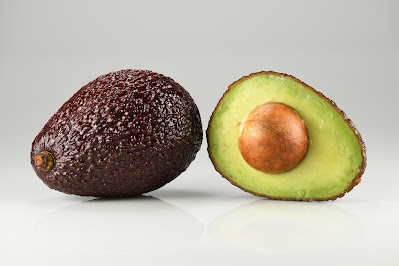 |
| Hass Avocado (Persea americana ‘Hass’) Photo Credit: Ivar Leidus |
I followed the process documented by Caitlin French in Kissed by the Sun: The Art of Solar Dyeing, and information found in several other sources. I used three cotton dish towels. The Weight of Fabric was 7.75 ounces (231 grams). The fabric was scoured and mordanted, using a gallnut mordant. Two pieces were also treated in a bath of 15% WOF alum and 2% soda ash as a brightener. The other was not.
 |
| Frozen avocado pits and skin, collected over time. |
I collected about 1.6 pounds of avocado pits and skin (726 grams), so, the WOF% is about 314%. I froze the avocado kitchen scraps until I was ready to dye. Ideally, clean the flesh from the pits and skin before freezing. I hadn’t noticed how much pink pigment there is in avocado skin and pits until this project.
 |
| Surprising pink pigment |
 |
| Supplies (the yellowish tint you see in the fabric is from the gallnut mordant) |
Supplies for dyeing include:
- Large jar (with room for some movement)
- A gallon of water (+ more as needed)
- Prepared cotton fabric (scoured, gallnut mordant, and alum brightener)
- Alum (2-3 teaspoons per 100 grams of fabric)
NOTE: For safety, use a face mask and rubber gloves.
Solar Dyeing
First, presoak the prepared fabric to ensure the mordants and natural dyes distribute more evenly, and then squeeze out excess water. Pour warm water into the jar, until it is about a third full. Stir in the alum. I used 6 teaspoons for 231 grams of fabric. Let the water cool and the alum dissolve thoroughly.
 |
| Layer fabric and avocado scraps, and fill with alum water |
Add a layer of avocado scraps to the alum treated water. Then add the first piece of fabric. Add more avocado. Add the second piece of fabric, and repeat. Top with the rest of the avocado. With the stir stick, evenly distribute avocado scraps around the sides of the jar. Add water to cover the fabric and avocado. Let the water settle, and then top it off. Close the lid.
 |
| After three weeks (the fabric looks pink) |
Leave the jar in a sunny spot, inside or out. You start to see the color appear after several hours. Check the fabric color daily, and agitate the jar slightly to distribute the dye. I soaked the fabric for three weeks. Once the fabric is the desired color, remove it from the jar and squeeze out excess liquid.
 |
| Rinse until the water runs clear |
 |
| Air dry fabric |
Rinse the fabric in cool water until the water runs clear. Run the fabric through the washing machines' rinse and spin cycles, using cold water. Let the fabric air dry. Two weeks later, wash the fabric in a pH neutral soap, like Synthrapol or Professional Textile Detergent, and hang to dry.
 |
| An interesting shade of butterscotch |
Surprisingly, the resulting color looks more like butterscotch than pink or coral. Possibly the fabric was packed too tightly or remained too long in the dye? The unexpected outcomes are part of the adventure and fun of home dyeing. Note that the fabric piece that did not receive the extra alum brightening bath, ended up the same color as the two pieces that did.
Learn More:
- Kissed by the Sun: The Art of Solar Dyeing, by Caitlin Ffrench. November 28, 2017. (Kissed by the Sun: The Art of Solar Dyeing | Spin Off (spinoffmagazine.com)
- Solar Dyeing - Super Slow Fashion, by Ria Burns.
- Tutorial: Lockdown Craft Activity - Try Solar Dyeing with Onion Skins, by Ria Burns.


