Home Page

Wednesday, July 8, 2020

Native Plant Finder

In his Bring Back the Natives keynote, Dr. Douglas Tallamy spoke on what we can do to attract and sustain nature in our yards. Dr. Tallamy mentioned two tools for figuring out what to plant – Calscape and Native Plant Finder. Last month we took a look at the Calscape tool. This month we'll take a look at Native Plant Finder tool.

The Native Plant Finder website (in Beta) is designed to help you find the best plant species to attract butterflies, birds, and wildlife in your area. The data is sourced from the U. S. Forest Service, The National Wildlife Federation, and the University of Delaware, where Dr. Tallamy is a professor of entomology and wildlife ecology. Enter your zip code, and search for plants or butterflies that are native to your area.   

Native Plant Finder in a browser – enter a zip code to get started

Native plants filtered by category for the zip code entered

For example, I can check the Trees and Shrubs section for hawthorns, to learn more about the hedge of hawthorn bushes in our yard. I find out that the native species in our area is Cratageus suksdorfii, and that 78 species of butterflies and moths use this bush as a caterpillar host plant. That probably explains the early morning chorus of birds in the lower yard!


The native hawthorn is a great caterpillar host plant

Save the plant and any of it attracted species to the list, for later research. 


My native plant and butterfly list
Select Suppliers > Native Plant Directory, to access a list of native plant suppliers by state. For California, I see several favorite nurseries here in the San Francisco Bay Area, including Bay Natives, Berkeley Horticultural Nursery, and The Watershed Nursery. If you use the mobile app, you have easy access to your lists and sources while out shopping for plants.

I highly recommend Native Plant Finder as a resource for anyone who gardens here in California, or in North America. You can use the tool without an account for general research or add a free account to use features like lists. I especially like the emphasis on hosts plants, no doubt thanks to Dr. Tallamy's entomological background. Not only can you learn which native plants would thrive in your garden, but which are the best host plants for attracting the birds, amphibians, and wildlife you'd like to see in your yard!

Wednesday, July 1, 2020

Is it Summer Yet?

After months of sheltering in place, where the days seem to flow in a uninterrupted stream of sameness, it's hard to fathom that summer is finally here! Sure we've passed the usual milestones of Memorial Day weekend, Summer Solstice, and the end of (home) school for the summer. We've had some really hot weather here in the San Francisco Bay Area, interrupted by stretches of cool marine weather. But it's hard to feel that "summer vibe" without the usual parade of summer outings, vacation plans, and gatherings.

Still, we're ready for more lazy days of summer, and an opportunity to redefine what summer means  in new and creative ways.

My Example
Fireworks from afar


Old school transportation

Recalling family reunions

Savoring the view

The beauty of nature

Welcoming a new family member

Celebrating old friends

Summer refreshment

Outdoor projects

Container gardening

It may not be a "normal" summer this year, but it is still a good time to enjoy your yard or nature, try some new summer recipes, read some good books, and find ways to connect with family, friends, and neighbors!

Wednesday, June 24, 2020

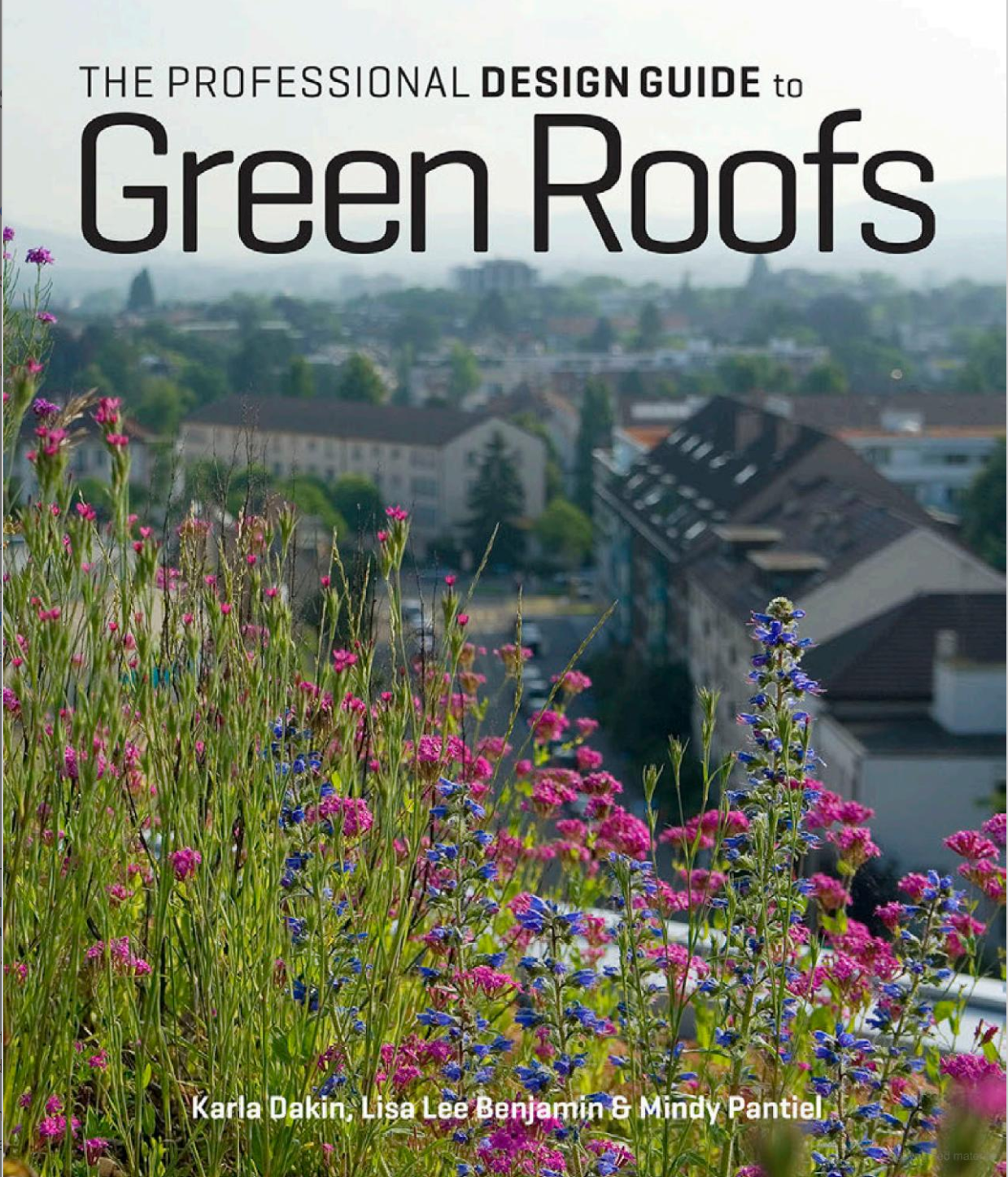
The Professional Design Guide to Green Roofs

I picked up The Professional Design Guide to Green Roofs at the San Francisco Garden Show several years ago, after attending a presentation by two of its authors. Green Roofs was written by Karla Dakin, Lisa Lee Benjamin, and Mindy Pantiel, and published by Timber Press (Portland, Oregon 2013). The authors are professional landscapers with portfolios of significant roof top and ground-based landscape projects, and a network of roof top landscapers around the world.


Green Roofs is comprised of two sections. Part One: Inspiration—Form and Function describes finding inspiration for designs from nature and culture. Chapters include Shapes and Patterns, Creating Living Spaces, Wildlife Friendly Spaces, and Plant-Driven Environments. Part Two: Process focuses on project management for the professional landscaper. Chapters take the reader through the processes of predesign, site analysis, client program, planning and conceptual design, design development and construction, and contracts, construction, and maintenance. The final chapter, The Evolving Frontier of Landscape Design, casts vision for the future of roof top gardens in the urban landscape. The back matter includes a bibliography, acknowledgments and credits, a chart of USDA climate zones, and a thorough index.

The book is filled with beautiful photographs that illustrate concepts and serve as a portfolio of projects installed by the authors and other green roof landscapers. Their projects include both living spaces and living meadows, depending on the weight the roof can bear. I especially appreciated learning about the the move toward providing green roofs in the urban settings for practical reasons, like filtering rain water, lowering the heat island effect, and providing a habitat for pollinators and migrating birds (imagine an aerial wildlife corridor through busy cities where migrating birds can touch down for rest and nourishment). Green roofs can also provide a space for city dwellers to seek respite from urban life, and enjoy fantastic views.

I was also pleased to see some favorite titles in the bibliography, like Thomas Church's Gardens are for People; Theodore H. Osmundson's Roof Gardens: History, Design, and Construction; and Tim Richardson's Futurescapes: Designers for Tomorrow's Outdoor Spaces (as well as many other new titles to explore). With a growing population and spreading cities, the ancient idea of green roofs is a timely vision for the future.